1. The Rise of AI Image Editors in Creative Industry
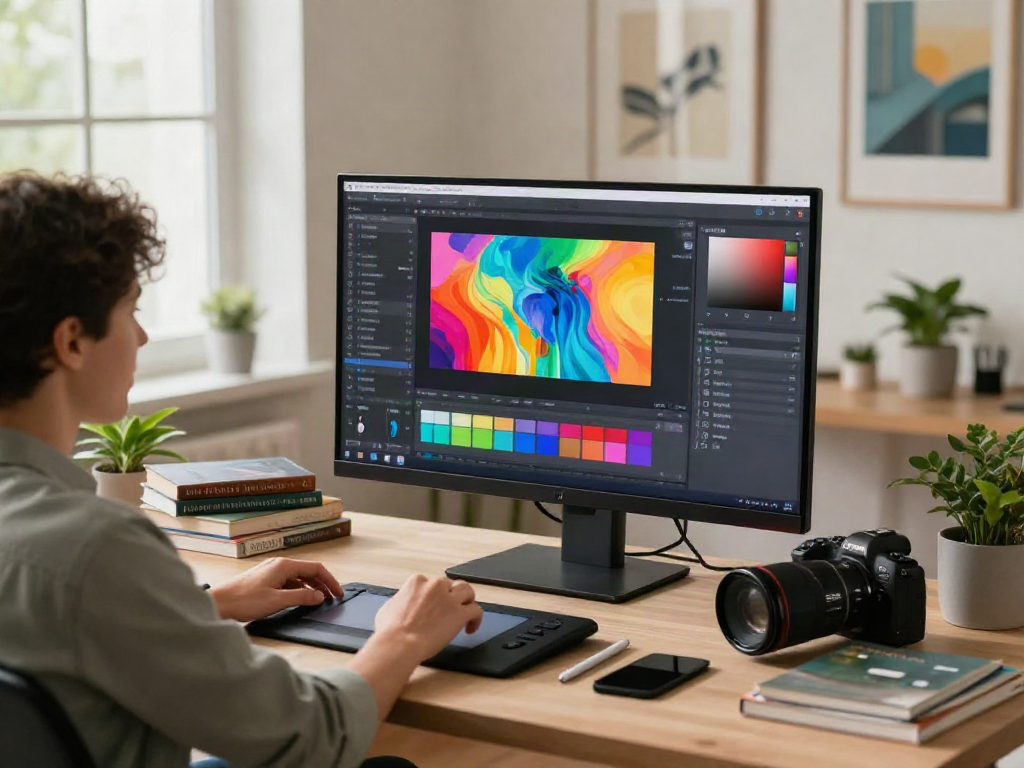
The creative landscape has undergone a significant transformation in recent years, with technological advancements paving the way for innovative tools that enhance artistic expression. Among these tools, free ai image editor solutions have gained immense popularity, allowing both experienced and novice creators to experiment with their craft effectively. As we approach 2026, these AI-driven platforms are set to redefine how we approach image editing, making it more accessible and intuitive than ever before.
What is a Free AI Image Editor?
A free AI image editor utilizes artificial intelligence algorithms to streamline the image editing process, providing tools that can automatically improve images, generate artistic effects, or facilitate complex edits with minimal user intervention. These editors use machine learning to analyze images, understanding features like color balance, contrast, and composition, and then suggesting or making adjustments that enhance overall quality. The result is a tool that democratizes creativity, enabling anyone with an internet connection and a digital device to produce professional-looking images without the need for extensive training.
Comparing Traditional Editing to AI Solutions
Traditionally, image editing often required a steep learning curve and significant time investment. Software like Adobe Photoshop or GIMP, while powerful, often comes with a series of intricate tools that can overwhelm new users. In contrast, AI-driven editors simplify this process by automating many of the tedious tasks. For example, features such as one-click enhancements and auto-tuning eliminate the need for manual tweaking. This enables artists to focus on their vision rather than getting bogged down in technical details, allowing for more creative freedom.
Trends Influencing AI Adoption in 2026
As we look toward 2026, several trends are driving the adoption of AI image editors. Firstly, the increasing integration of AI across various industries is making advanced image editing tools more commonplace. Businesses are leveraging these tools for marketing and branding, further promoting the use of AI in creative workflows. Additionally, the proliferation of mobile devices with powerful capabilities means that more people are creating and editing images on-the-go, pushing developers to create user-friendly, efficient software that can cater to this growing market.
2. Key Features of Effective Free AI Image Editors
To effectively meet the diverse needs of users, a free AI image editor should offer various features that enhance usability and creative potential. Here are some crucial characteristics to consider:
Customization Capabilities for Diverse Needs
A standout feature of effective AI image editors is their ability to provide customization options. Users should be able to tailor editing presets or create their filters, accommodating different artistic styles and preferences. Whether it’s adjusting saturation for vibrant landscapes or fine-tuning sharpness for portrait photography, these tools allow creators to modify their images according to personal taste.
Integration with Other Creative Tools and Platforms
Seamless integration with other creative tools and platforms is essential. A robust AI image editor should allow users to import and export files from various sources easily, whether it’s social media platforms, graphic design software, or traditional photo management systems. This interoperability ensures users can incorporate their edited images into broader projects without disruption.
User-Friendly Interfaces for All Skill Levels
An intuitive user interface is critical in attracting a diverse user base. A great AI image editor should be designed with non-experts in mind, presenting features in a straightforward manner while still providing advanced tools for seasoned professionals. This balance makes it easier for users at any skill level to navigate the software, enhancing their overall experience and encouraging creativity.
3. Overcoming Challenges with AI Image Editing Tools
Despite the advantages of AI image editors, several challenges must be addressed for widespread adoption. Understanding these hurdles can help users make more informed decisions about the tools they choose.
Common Misconceptions about AI Image Editing
One common misconception is that AI image editors reduce the need for human creativity, leading to homogenized results. However, these tools are designed to complement human artistry, providing suggestions and automation that can enhance, rather than replace, personal expression. By correctly using AI tools, artists can push boundaries in their work, experimenting with new styles and techniques.
Addressing Quality Concerns: Enhancements in 2026
Quality concerns also loom large when it comes to AI-generated edits. Many users fear that AI tools might compromise the authenticity of their images. However, advancements in technology are continually improving the accuracy and quality of AI editing. By 2026, expect significant upgrades in AI algorithms that can better understand artistic nuances, resulting in edits that maintain artistic integrity while still enhancing output quality.
Accessibility and Inclusivity in Digital Art Creation
Accessibility remains a critical issue as well. The digital divide—where access to technology is inequitable—can limit who can take advantage of these innovative tools. Developers will need to prioritize inclusivity, ensuring that free AI image editors are available in various languages and compatible with diverse devices, enabling a broader range of creators to engage in digital art.
4. Case Studies: Success Stories Utilizing Free AI Image Editors
Real-world applications of AI image editing tools illustrate their transformative potential across various sectors. By exploring these case studies, we can see how AI technology empowers creativity, boosts productivity, and enhances the quality of work.
Independent Artists Transformed by AI Tools
Independent artists have significantly benefited from the availability of free AI image editors. For example, a digital illustrator named Sarah leveraged an AI tool to enhance her portfolio. By utilizing smart filters and automated color corrections, she could focus more on her artistic concepts and less on the technical aspects of editing. This not only improved her workflow efficiency but also allowed her to produce higher-quality images, leading to increased commissions and a broader audience reach.
How Businesses Leverage AI for Marketing Graphics
Businesses are increasingly adopting AI image editing tools to create eye-catching marketing graphics. A small e-commerce startup successfully utilized a free AI image editor to generate social media content. By automating their editing process, they maintained a consistent aesthetic across their platforms while saving on hiring professional designers. This not only reduced costs but also allowed them to engage more effectively with their audience, leading to increased customer interaction and sales.
Educational Institutions Adopting AI Editing Software
Educational institutions are also leading the charge in adopting AI image editing solutions. For instance, a community college incorporated a free AI image editor into their digital art curriculum. By teaching students how to use these tools, they enhance learning opportunities and encourage experimentation. Students reported increased confidence in their skills, as AI tools enabled them to create more polished work quickly, fostering a more engaging and innovative learning environment.
5. Future of AI Image Editing: What to Expect
The future of AI image editing is promising, with ongoing advancements set to revolutionize how we create and interact with digital art. As we move forward, several trends and technologies are poised to reshape the landscape.
Emerging Technologies Enhancing Editing Power
Emerging technologies such as augmented reality (AR) and virtual reality (VR) are beginning to integrate with AI image editing tools. These advancements will allow users not only to edit images but also to immerse themselves in their creative processes. Imagine using a VR headset to manipulate 3D image elements or visualize changes in real-time—this level of interactivity will transform how creators engage with their work.
Predictions for User Engagement and Creative Expression
As AI image editors become more sophisticated, user engagement is expected to rise dramatically. With tools that offer personalized recommendations based on individual artistic styles, creators will enjoy a more tailored experience. This will encourage greater experimentation and push the boundaries of creative expression, enabling users to explore new mediums and methods they may not have considered before.
Advice for Creatives on Adapting to AI Trends
For creatives looking to adapt to the shifting landscape of AI image editing, embracing these tools is crucial. Staying informed about advancements in technology and continuously experimenting with new features will ensure that artists remain competitive. Additionally, joining online communities and forums can provide invaluable insights and support, helping users navigate the ever-evolving world of AI in creative industries.
What are the benefits of using a free AI image editor?
Free AI image editors offer numerous advantages, including cost-effectiveness, ease of use, and powerful capabilities that rival traditional editing software. For beginners, these tools provide an excellent opportunity to explore digital art without financial commitment while offering advanced features for seasoned editors.
Can AI image editors replace traditional editing methods?
While AI image editors enhance the editing process, they are not set to completely replace traditional methods. Instead, they should be viewed as complementary tools that can streamline workflows and increase productivity, allowing artists to focus more on their creative vision.
How user-friendly are these free AI tools?
Today’s free AI image editors are designed with user-friendliness in mind. Many platforms offer intuitive interfaces that cater to both novice and expert users, enabling anyone to create stunning visuals with minimal effort.
What are the top features to look for in an AI image editor?
Key features to consider when selecting an AI image editor include customization capabilities, integration with other tools, user-friendly interfaces, and advanced editing options. These attributes will ensure that the editor meets individual needs and supports various creative endeavors.
How will AI image editing evolve in the coming years?
The future of AI image editing holds significant promise. As algorithms improve and user needs evolve, we can expect editors to incorporate more advanced features, such as real-time collaboration, enhanced machine learning capabilities, and greater interactivity, further democratizing artistic creation.