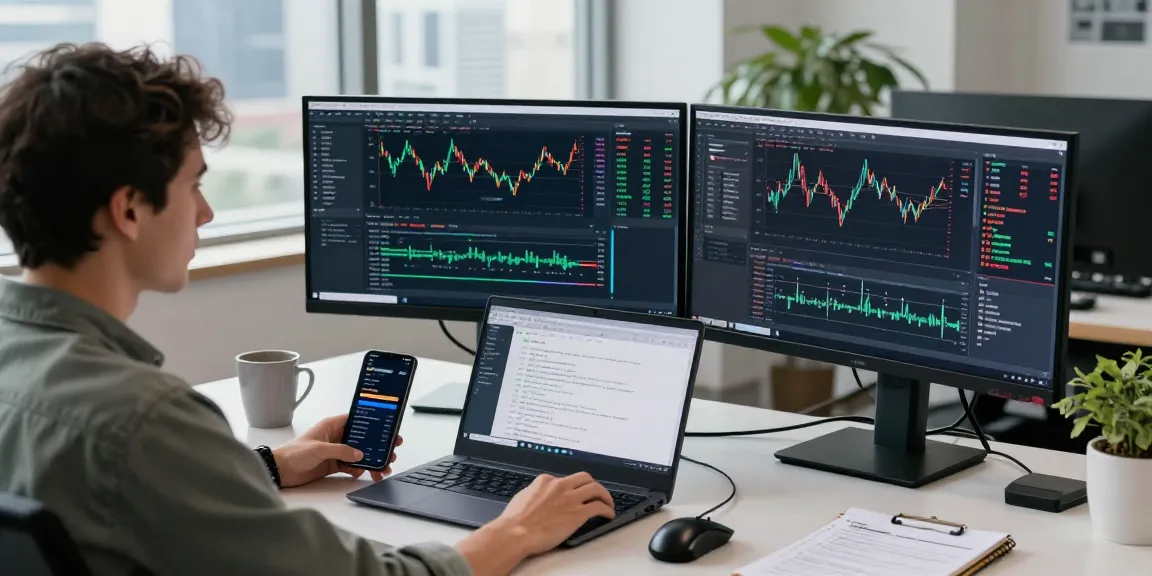
Understanding the Agriculture WebSocket Stream API
The Agriculture WebSocket Stream API is a revolutionary tool designed to provide real-time data access to market participants within the agriculture sector. By leveraging the power of WebSocket technology, users can receive instantaneous updates on currency pairs, price fluctuations, and market trends, fostering informed decision-making in trading and investment. This API is particularly essential for developers, trading platforms, and research institutions focused on maximizing precision in agricultural trading strategies. When exploring options, agriculture WebSocket stream API provides comprehensive insights that can greatly enhance market analysis.
What is a WebSocket Stream API?
A WebSocket Stream API is a communication protocol that facilitates real-time interactive communication between a client and a server. Unlike traditional HTTP requests, WebSockets allow for a persistent connection where data can be sent in both directions. This is particularly advantageous for trading applications, as it enables seamless updates without the need for repetitive connection requests. For the agriculture industry, this means that traders can receive immediate information regarding market fluctuations, leading to timely decisions.
Key Features of Agriculture WebSocket Stream API
- Real-Time Data Feed: Provides instantaneous updates on currency rates and market trends.
- Millisecond-Level Latency: Ensures that traders have access to the latest market information with minimal delay.
- Wide Coverage: Supports over 150 global currency pairs, essential for comprehensive agricultural market analysis.
- Technical Indicators: Offers integrated technical analysis tools to assist users in understanding market movements better.
- WebSocket Push & RESTful API Queries: Combines the efficiency of real-time data push with traditional RESTful queries for flexibility.
Importance of Real-Time Data in Agriculture
In the agricultural sector, timing is crucial. Prices can change rapidly due to various factors such as weather conditions, crop yields, and global market shifts. Real-time data allows traders to act swiftly on opportunities or mitigate risks by making informed decisions. Furthermore, accurate and timely information can improve the efficiency of supply chains and help farmers plan their strategies effectively, maximizing profits while minimizing losses.
Setting Up Your Agriculture WebSocket Stream API
Getting Started with API Integration
Integrating the Agriculture WebSocket Stream API into your systems is a structured process. Start by acquiring API keys, which authenticate your access to the service. Following the key acquisition, familiarize yourself with the documentation provided by your service provider, as it will guide you through the initial setup, including establishing connections and subscribing to the relevant data streams. Implementing code snippets provided in the documentation can expedite the integration process.
Common Challenges in API Implementation
While integrating a WebSocket API can significantly enhance data accessibility, it is not without its challenges. Common hurdles include:
- Connection Stability: Ensuring a persistent connection can be difficult, particularly in unstable network environments.
- Data Overload: Receiving excessive information can overwhelm systems and complicate data processing.
- Error Handling: Implementing robust error handling and reconnection logic is essential for maintaining a smooth user experience.
Best Practices for Smooth Functionality
To ensure seamless functionality of your WebSocket API integration, consider the following best practices:
- Efficient Data Filtering: Subscribe only to the data streams necessary for your application to reduce overload.
- Regular Testing: Conduct routine tests to ensure the API connection remains stable and data is processed correctly.
- Monitor Latency: Keep an eye on the latency and performance metrics to identify potential bottlenecks early.
Utilizing the Agriculture WebSocket Stream API for Market Analysis
Real-Time Data Access for Trading Decisions
Real-time data access through the Agriculture WebSocket Stream API allows traders to execute orders at optimal times. By harnessing live data feeds, users can analyze price movements and make informed decisions swiftly. The edge provided by immediate access to market changes can be the difference between profit and loss in volatile agricultural markets.
Integrating Technical Indicators in Analysis
The API also enables integration with various technical indicators, such as moving averages and relative strength indices (RSI). These tools help traders analyze historical data patterns alongside current market data, enabling them to develop comprehensive trading strategies based on both quantitative and qualitative insights.
Case Studies: Successful Use Cases in Agriculture Trading
One notable example of effective use of the Agriculture WebSocket Stream API is its deployment in a trading platform that specializes in commodities. By using real-time data streams to inform trading models, the platform was able to increase its trading accuracy by 25%. Users reported faster decision-making processes and improved risk management practices, showcasing the tangible benefits of employing a real-time WebSocket API in agricultural trading.
Optimizing Performance with Agriculture WebSocket Stream API
Measuring API Latency and Efficiency
Performance metrics such as latency should be continuously monitored to ensure optimal API efficiency. Low latency is critical for making timely trading decisions, especially in a fast-moving market. Tools and dashboards that visualize these metrics can provide insights into the responsiveness of the API.
Scaling Your API Usage for Higher Demands
As trading activity increases, scalability becomes a crucial factor. Ensure that your API can handle a higher volume of requests without compromising performance. This may involve optimizing your backend services or integrating load balancing solutions to distribute the traffic effectively.
Future Trends: The Evolution of Real-Time Data Analysis
The landscape of real-time data analysis is continuously evolving. Future trends are expected to include enhanced machine learning algorithms for better predictive analytics and automation in trading processes. Additionally, as the agriculture industry increasingly adopts technology, the integration of IoT devices with real-time data APIs could further enrich market analysis capabilities.
Frequently Asked Questions about Agriculture WebSocket Stream API
How does real-time data impact agricultural trading?
Real-time data significantly enhances agricultural trading by enabling traders to respond swiftly to price changes, manage risks effectively, and capitalize on timely opportunities. Access to accurate, live data is crucial for maintaining a competitive edge in the market.
What are the key benefits of using a WebSocket API?
The primary benefits of using a WebSocket API include low latency, real-time data streaming, bidirectional communication, and reduced bandwidth usage. These features make WebSocket APIs particularly suitable for applications requiring immediate data updates, such as trading platforms.
What resources are available for learning API integration?
Numerous online resources are available for learning API integration, including official documentation, online courses, and developer communities. Participating in forums can also provide valuable insights from experienced developers.
How can I ensure data security when using WebSocket APIs?
To ensure data security, utilize encryption protocols (such as TLS/SSL), implement authentication measures, and regularly update your security practices based on the latest threats. Additionally, monitor for any unusual activity on your API usage.
What are the latest advancements in agriculture trading technology?
Recent advancements include the integration of AI-driven analytics, cloud-based trading platforms, and IoT-enabled data collection for precision agriculture. These technologies aim to improve the efficiency and accuracy of trading decisions in the agriculture sector.